King Cantona: The Enigmatic Reign of Manchester United's Iconic Frenchman
Eric Cantona arrived at Manchester United in November 1992 for a modest £1.2 million from Leeds United. Nobody expected the seismic shift that followed. Within months, he had transformed a talented but inconsistent side into champions. The nickname 'King Cantona' wasn't coined by marketing men;it was earned on the pitch at Old Trafford, where his chest-out swagger and collar-up arrogance became a symbol of a new era. I remember watching old footage of his first home game against Manchester City. He didn't score, but the way he demanded the ball, the way he gestured to teammates, it was like a conductor stepping onto a podium. United won 2-1。and the crowd sensed something had changed.What made King Cantona so special wasn't just his goals—though 82 in 185 appearances is a respectable return—it was his ability to elevate those around him. Mark Hughes, Ryan Giggs, Paul Ince。
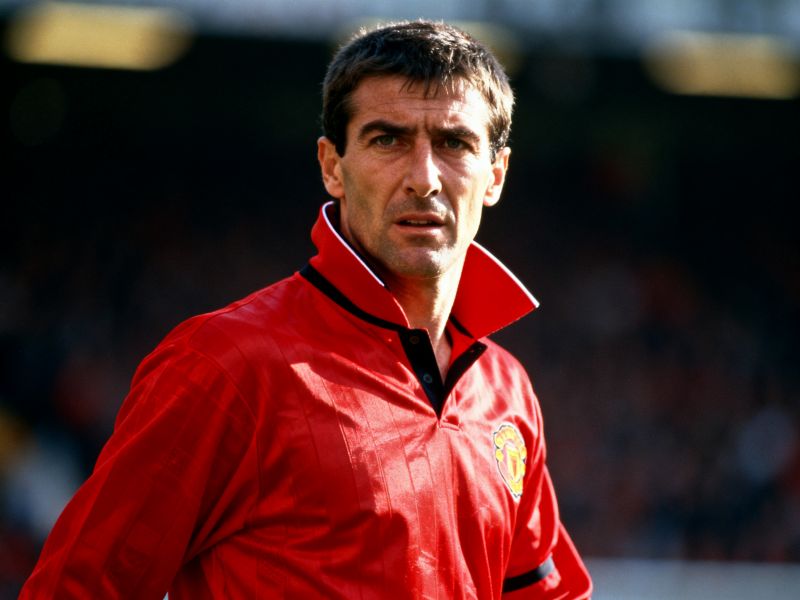
and later Roy Keane all benefited from his spatial awareness and precise through-balls. He played with a kind of controlled fury, always on the edge. The infamous kung-fu kick on a Crystal Palace fan in January 1995 cost him an eight-month ban, but it also cemented his legend. United fans forgave him instantly;the club stood by him. When he returned, he captained the side to another double. That moment, the seagulls following the trawler speech, remains one of the most poetic rants in football history. It was pure Cantona—enigmatic, philosophical, and utterly uncompromising.King Cantona's influence extended beyond tactics. He was the first true superstar of the Premier League era, a player who merged artistry with aggression. His celebration—the slow, deliberate turn, eyes scanning the crowd—became iconic. I've spoken to United supporters who still mimic it in pubs. He wasn't the fastest or the most athletic, but his football intelligence was off the charts. He saw passes others couldn't imagine. In a 1994 match against Tottenham, he provided three assists without breaking a sweat. The opposition simply couldn't handle his movement. He retired abruptly in 1997 at just 30, leaving a void that United struggled to fill for years. Ole Gunnar Solskjaer and Dwight Yorke arrived later。but none replicated Cantona's aura.There's a reason why Sir Alex Ferguson called him the catalyst for everything that followed. The 1990s dominance—the treble in 1999, the relentless title runs—started with Cantona's arrival. He changed the club's mentality。instilled a belief that no game was lost until the final whistle. His famous quote about seagulls and sardines might sound absurd, but it captured his unique perspective. King Cantona never conformed. He refused to speak to the media for long stretches, preferring to let his football do the talking. That silence only added to the mystique. Even now, decades after his last game, his name echoes around Old Trafford. The Stretford End still sings his song. You don't hear that for many players.My own take: King Cantona was the last of a breed—a player who could be both brutal and beautiful, a philosopher and a fighter. Modern football's tactical rigidity would have stifled him. He needed freedom to roam, to improvise. That's why his legacy feels untouchable. He didn't just win trophies;he redefined what it meant to be a Manchester United player. The collar。
the chest, the glare—those were not affectations. They were the armor of a man who knew his worth. King Cantona remains a singular figure, a king without a crown, ruling by presence alone. And in an age of relentless media training and PR polish, that's something we'll never see again.
Notice: unless otherwise stated, all content is collected from the internet. If it infringes your rights, please contact us for removal.